Midwifery Resource Library
Access professional guidelines, educational materials, research resources, policy documents, toolkits, publications, and learning resources designed to support Midwifery Practitioners, Midwifery Educators, students, and healthcare professionals.

Breastfeeding Resource Center
Access trusted, evidence-based breastfeeding resources designed to support mothers, families, and healthcare professionals. Explore practical guides, educational materials, videos, expert advice, and best practices on breastfeeding, lactation, newborn nutrition, and maternal care—empowering every family with the best start in life.
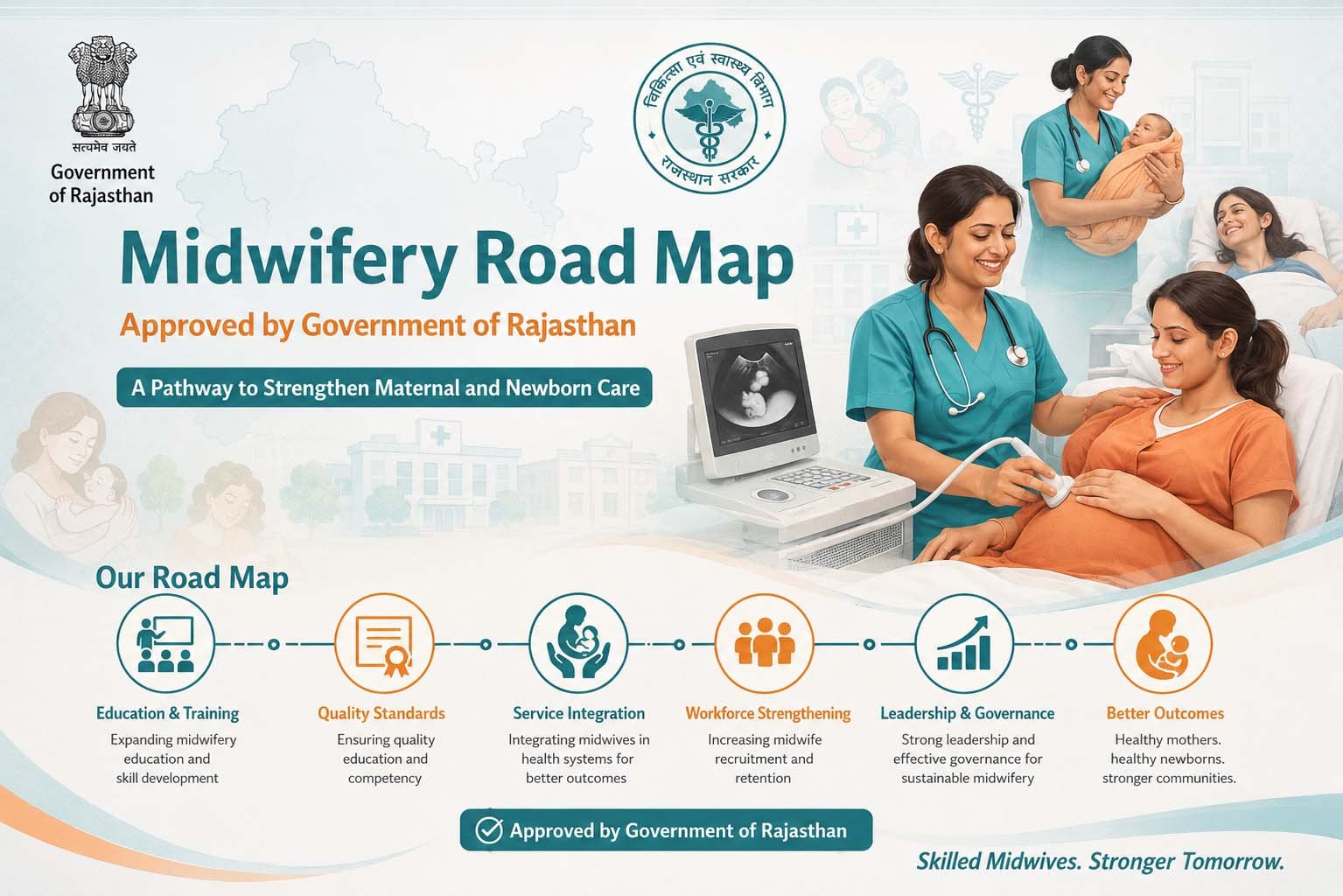
Midwifery Roadmap Rajasthan: Strengthening Midwifery-Led Care for Improved Maternal and Newborn Health
The Midwifery Roadmap Rajasthan outlines a strategic framework for establishing and strengthening midwifery-led care services across the state. It focuses on developing skilled midwives, enhancing education and training, improving maternal and newborn health outcomes, promoting respectful maternity care, and integrating evidence-based midwifery practices within public health facilities to ensure safe, accessible, and quality healthcare services for women and newborns
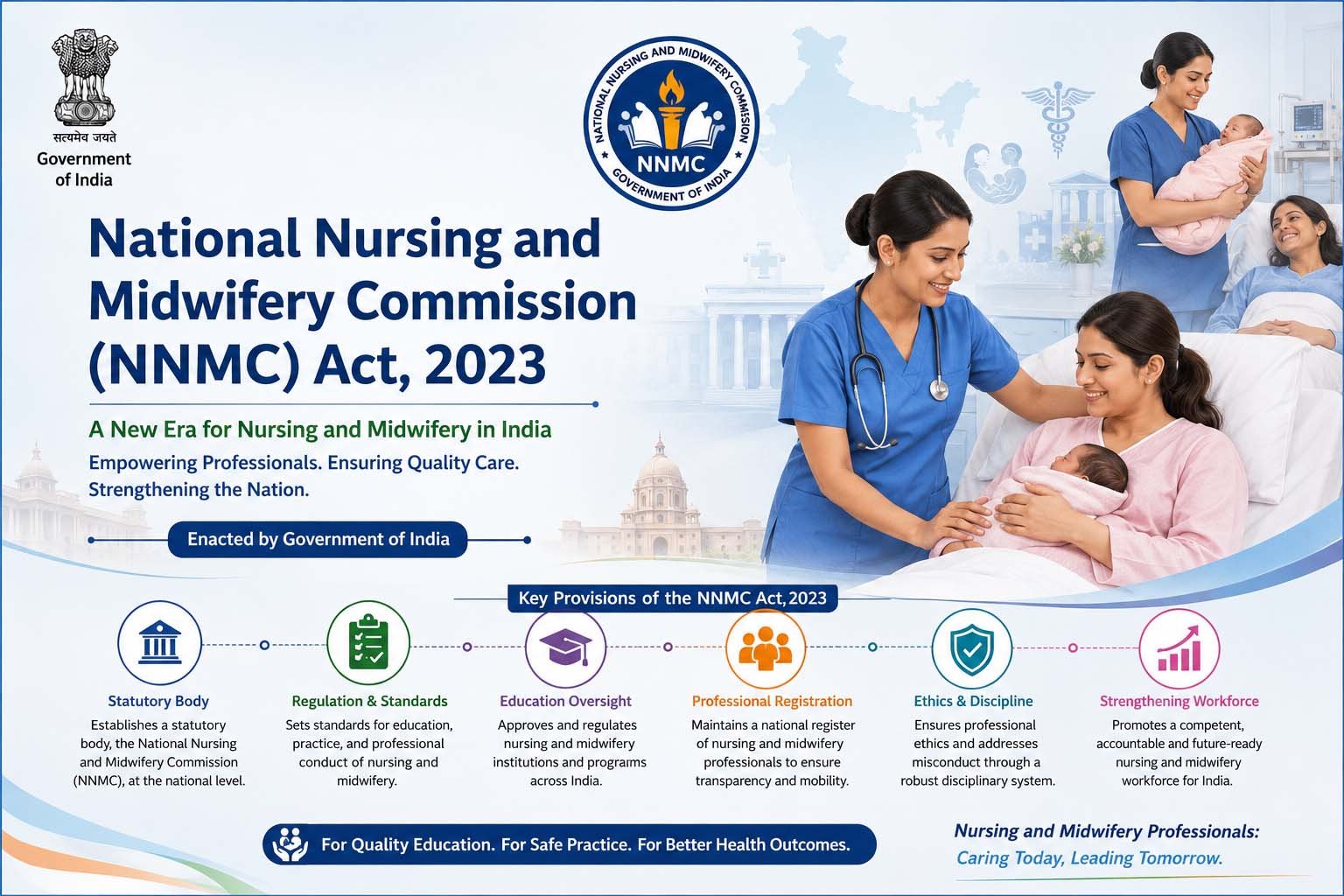
National Nursing and Midwifery Commission (NNMC) Act, 2023 – Government of India
The National Nursing and Midwifery Commission (NNMC) Act, 2023 is a major reform introduced by the Government of India to modernize nursing and midwifery education, regulation, and practice. Replacing the previous framework, the Act promotes standardized education, professional accountability, and effective governance. It aims to enhance the quality of healthcare services by strengthening the nursing and midwifery workforce nationwide.
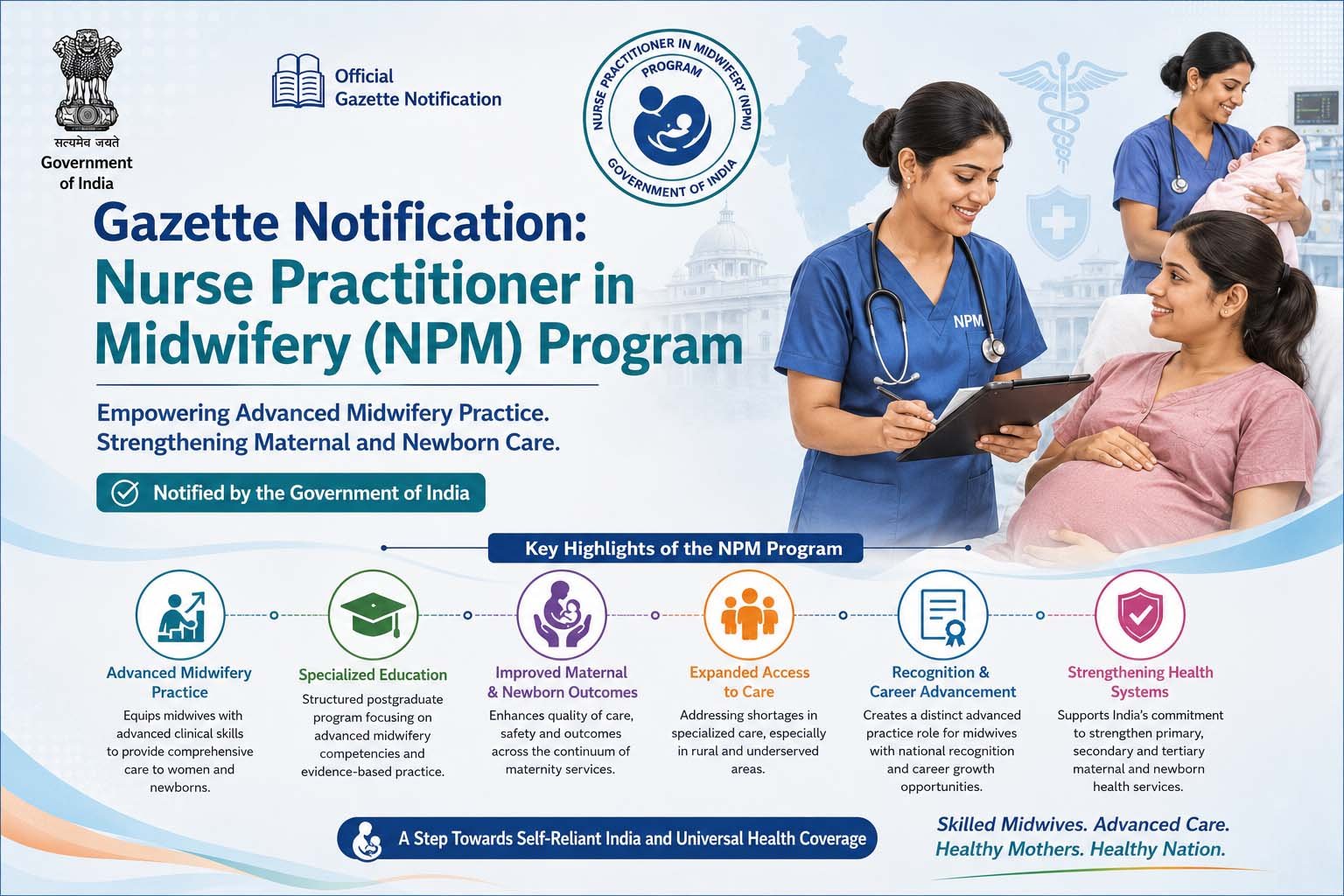
Gazette Notification: Nurse Practitioner in Midwifery (NPM) Program – Government of India
This Government of India Gazette notification officially recognizes the Nurse Practitioner in Midwifery (NPM) program approved by the Indian Nursing Council (INC). It provides the regulatory framework for implementing advanced midwifery education and practice, aiming to strengthen skilled midwifery services and enhance maternal and newborn healthcare outcomes throughout India through improved quality, competency, and professional standards.
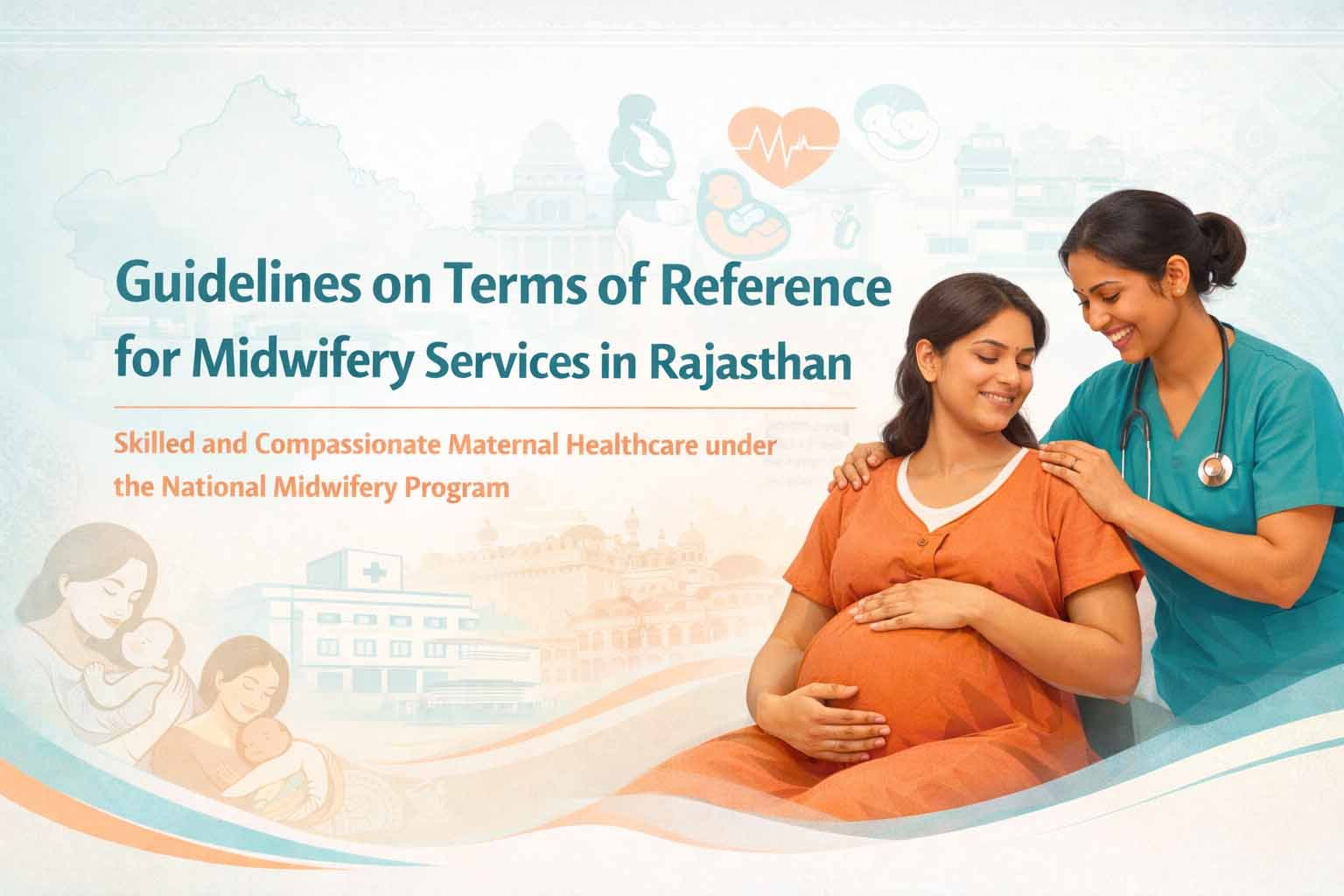
Official TOR by Government of Rajasthan: Scope of Practice and Implementation of Nurse Practitioner Midwives (NPMs)
The Terms of Reference (TOR) issued by the Government of Rajasthan provides guidelines for integrating Nurse Practitioner Midwives (NPMs) into the public health system. It defines their roles, scope of practice, and responsibilities in Midwifery-Led Care Units (MLCUs). The TOR supports quality, evidence-based maternal and newborn care, strengthens midwifery services, and improves health outcomes across Rajasthan.
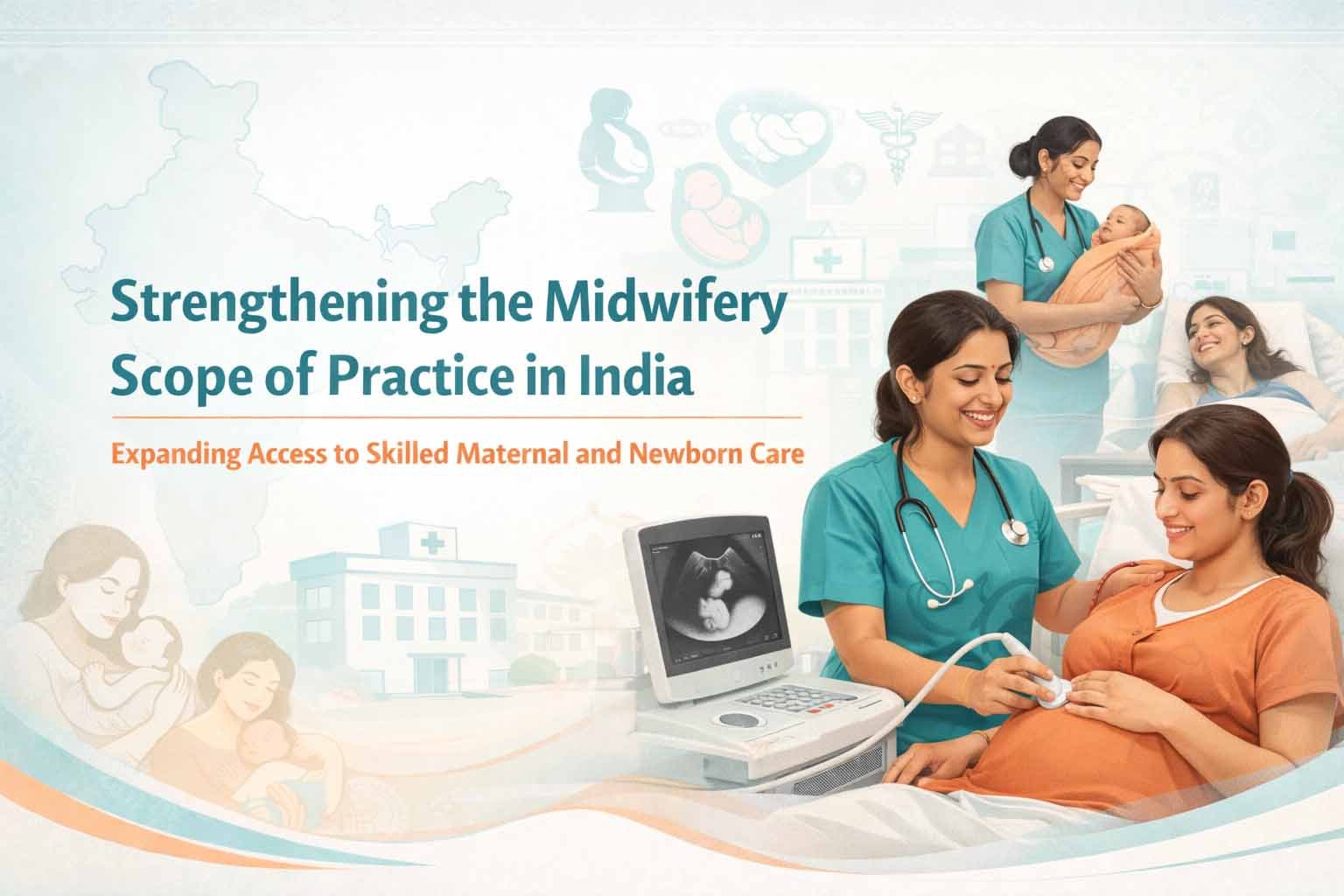
Scope of Practice for Midwifery Educators and Nurse Practitioner Midwives
The Scope of Practice for Midwifery Educators and Nurse Practitioner Midwives (NPMs) defines the professional roles, responsibilities, and competencies required in midwifery education and clinical practice. It establishes standards for evidence-based maternal and newborn care, education, mentorship, and leadership. The guidelines support respectful maternity care and promote the development of a skilled, competent, and autonomous midwifery workforce.
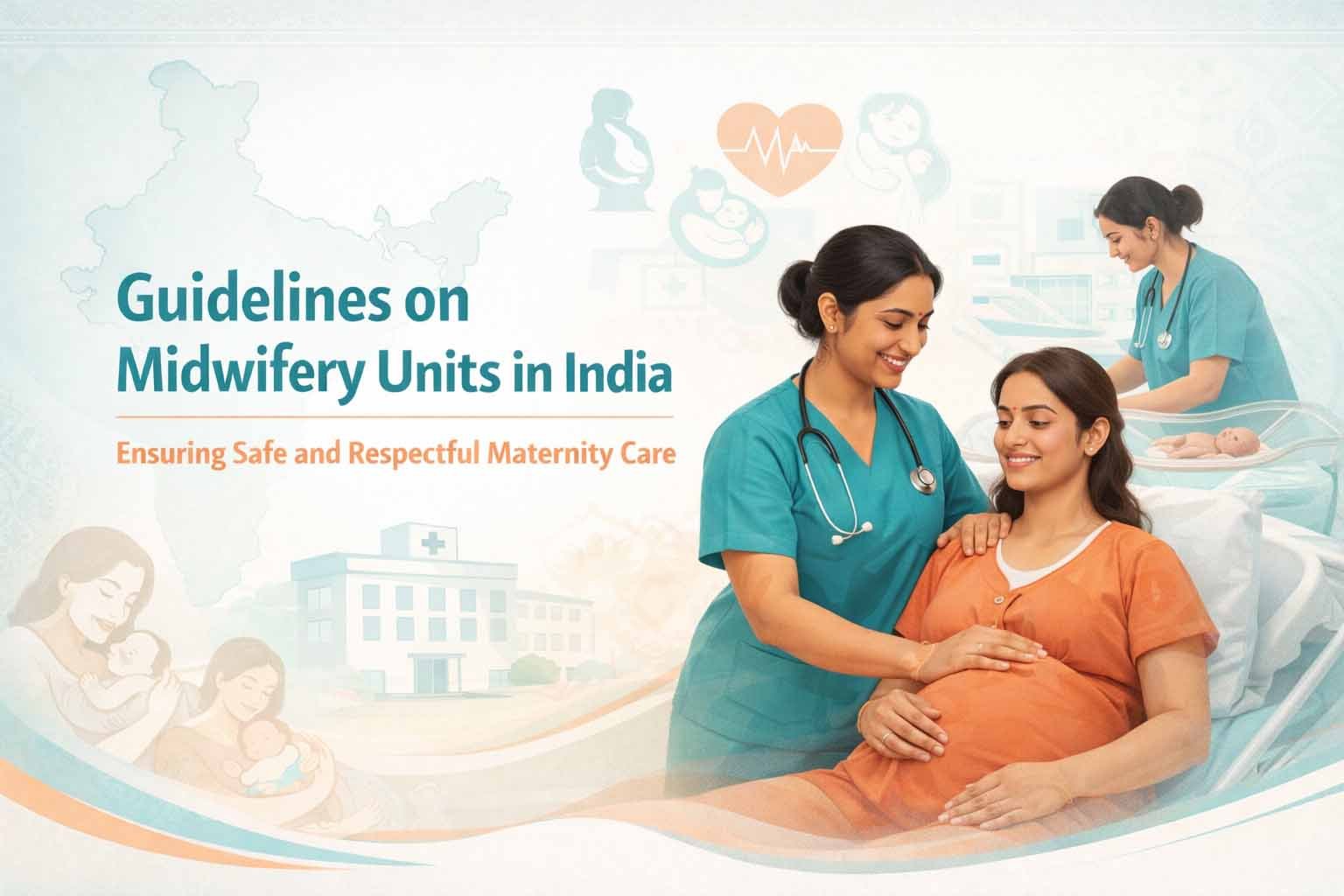
Guidelines on Operationalization of Midwifery Units
The Guidelines on Operationalization of Midwifery Units provide a framework for establishing and managing Midwifery-Led Care Units (MLCUs) in India. They define standards for infrastructure, staffing, and service delivery to ensure quality maternity care. The guidelines promote midwife-led, woman-centered care, support physiological childbirth, enhance continuity of care, and improve maternal and newborn health outcomes.
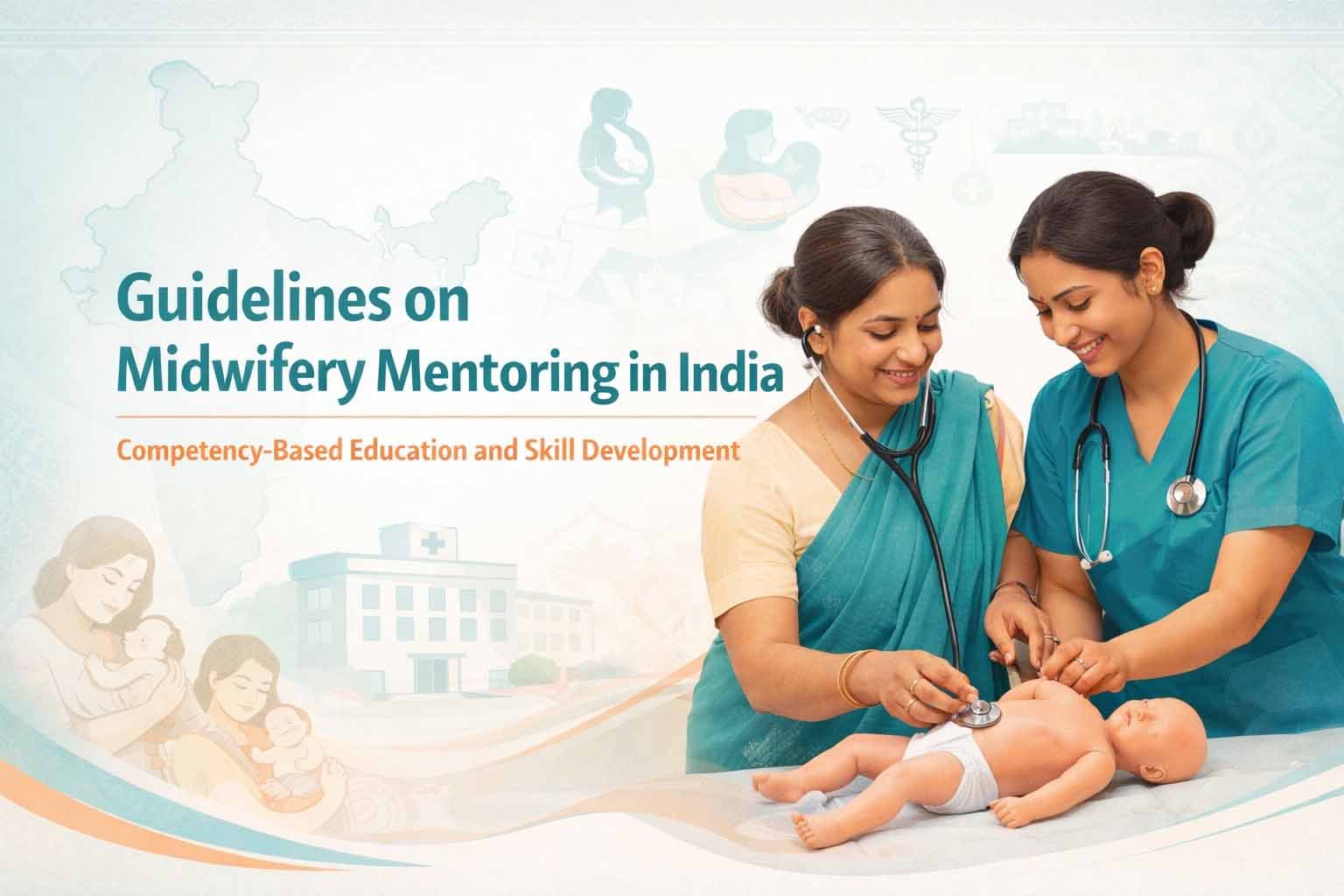
Mentoring Guidelines for Midwifery Educators and Nurse Practitioner Midwives
The Mentoring Guidelines for Midwifery Educators and Nurse Practitioner Midwives (NPMs) provide a framework for effective mentoring in midwifery education and practice. They define the roles of mentors and mentees, promote professional development, clinical competence, and leadership skills, and encourage continuous learning. The guidelines strengthen midwifery services by supporting skilled, confident, and evidence-based maternal and newborn care.
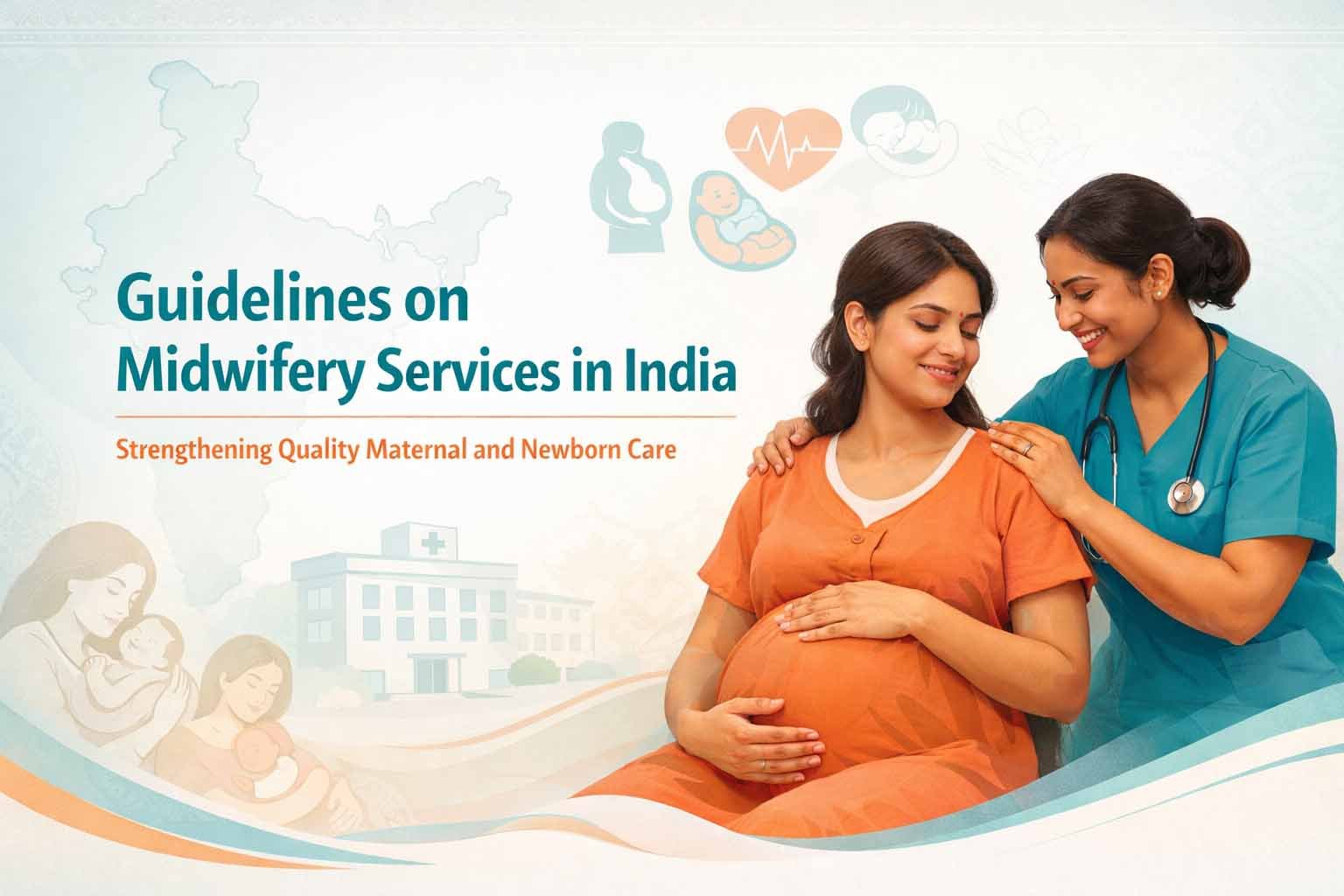
Guidelines on Midwifery Services in India
The Guidelines on Midwifery Services in India provide a framework for strengthening midwifery-led care through standardized education, training, regulation, and service delivery. They define the roles and competencies of professional midwives and promote respectful, evidence-based maternity care. The guidelines support improved maternal and newborn health outcomes and encourage the establishment of Midwifery-Led Care Units across India.